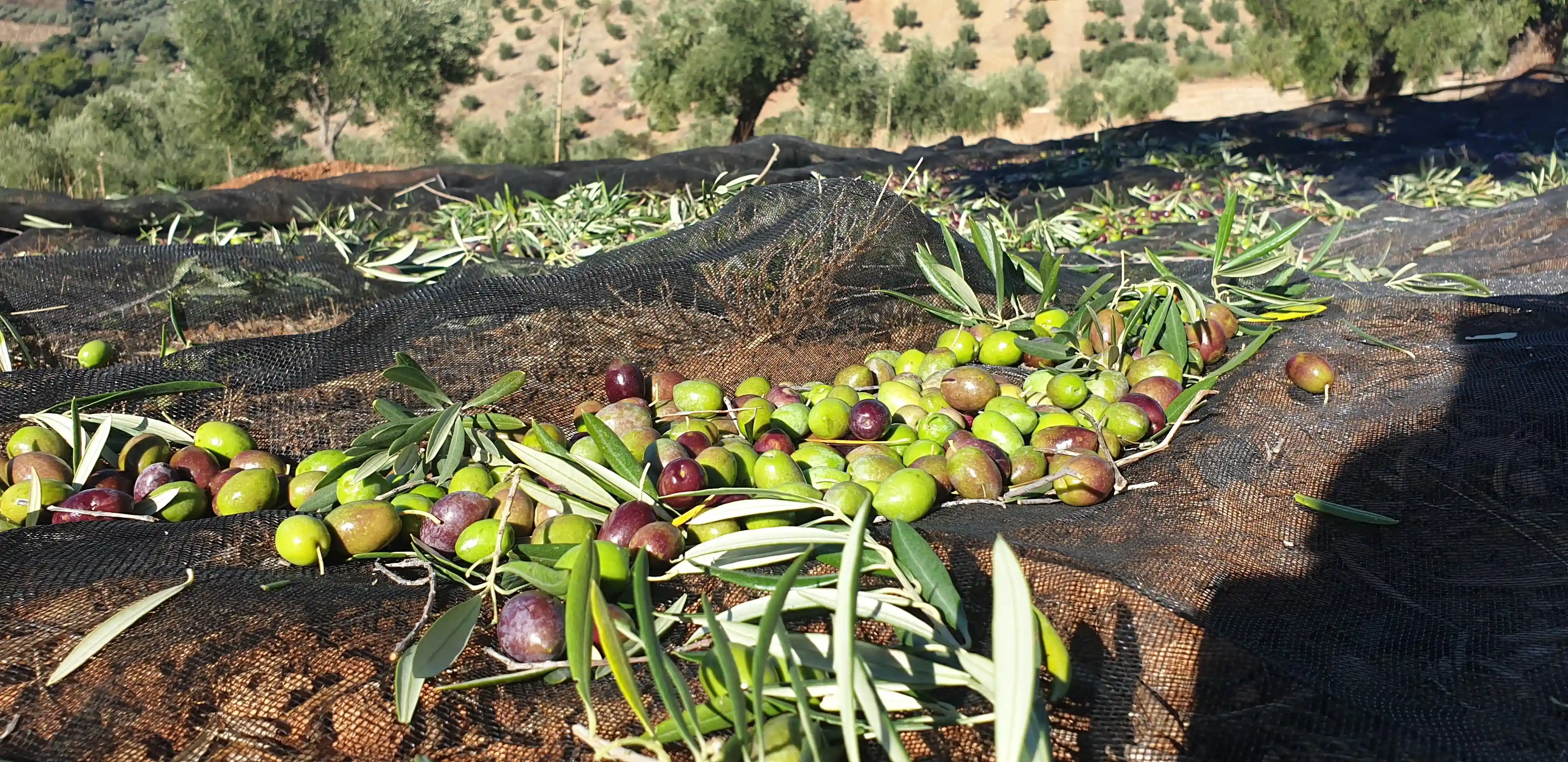
Discover the secret of exceptional olive oil. Polyphenols are the invisible guardians of your health. Found in extra virgin olive oil, these powerful antioxidants explain why the Mediterranean diet is associated with better cardiovascular health and greater longevity. But not all oils are equal: PICORIA GOLD contains more than 400 mg/kg of polyphenols, nearly 3 times the European minimum threshold.
What are polyphenols?
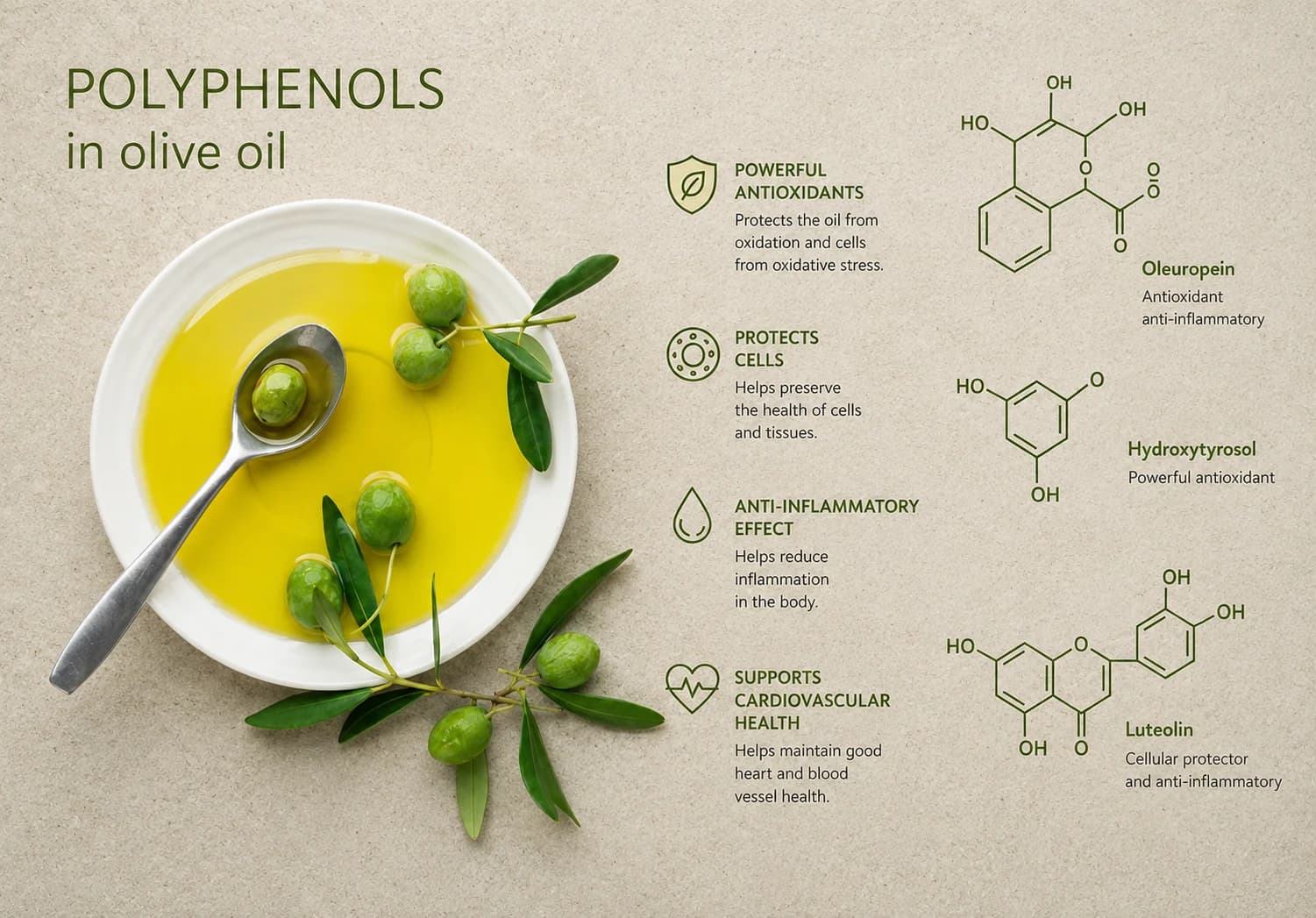
Polyphenols are natural compounds found in many plants, and particularly concentrated in olives. Although they make up only 2% of an extra virgin olive oil's composition, these molecules are true guardians of your health.
These powerful antioxidants give olive oil its distinctive character: that slight bitterness, the pungency at the back of the throat that can make you cough, and that intense grassy flavour. Far from being flaws, these sensations are precisely the sign of an exceptional oil, rich in compounds beneficial to your body.
In olive oil, several key types of polyphenols are found:
- Hydroxytyrosol: recognised for its cardioprotective properties
- Oleocanthal: famous for its natural anti-inflammatory action, comparable to ibuprofen
- Oleuropein: present in green olives, it holds neuroprotective virtues
- Oleacein: one of the most abundant polyphenols, with multiple benefits
Why are polyphenols essential to your health?
1. Cardiovascular protection
Polyphenols protect your blood lipids from oxidative stress, reducing the risk of atherosclerosis. The European Union officially recognises this benefit for oils containing at least 250 mg/kg of polyphenols, with a consumption of just 20 g per day.
2. Powerful anti-inflammatory action
Oleocanthal has anti-inflammatory properties comparable to ibuprofen, without the side effects. It helps reduce chronic inflammation, a risk factor in many modern diseases.
3. Metabolic regulation and protection against diabetes
A study in the British Journal of Medicine shows that people who consume polyphenol-rich foods have a 57% lower risk of developing type 2 diabetes.
4. Brain protection
Polyphenols cross the blood-brain barrier and exert a neuroprotective action. A reduced risk of dementia and Alzheimer's.
5. Anti-ageing effect
They neutralise free radicals, protect DNA and slow cellular ageing. Up to 52% fewer wrinkles in certain studies.
6. Gut health
A prebiotic effect that fosters a healthy gut flora.
Not all olive oils are equal
A refined oil contains virtually no polyphenols. Even among extra virgin oils, the variation is enormous:
- Standard oil: 50-200 mg/kg
- Mid-range oil: 200-250 mg/kg
- Premium oil: 250-400 mg/kg
- Exceptional oil: >500 mg/kg
PICORIA GOLD exceeds 500 mg/kg of polyphenols, placing our oil in the category of exceptional oils.
What determines polyphenol richness?
The olive variety
Some varieties are naturally richer:
- Rich: Picual (Spain), Koroneiki (Greece), Coratina (Italy)
- Poor: Arbequina, Manzanilla
PICORIA = 100% Picual, the richest Spanish variety.
The moment of harvest
Early harvest, the secret of richness
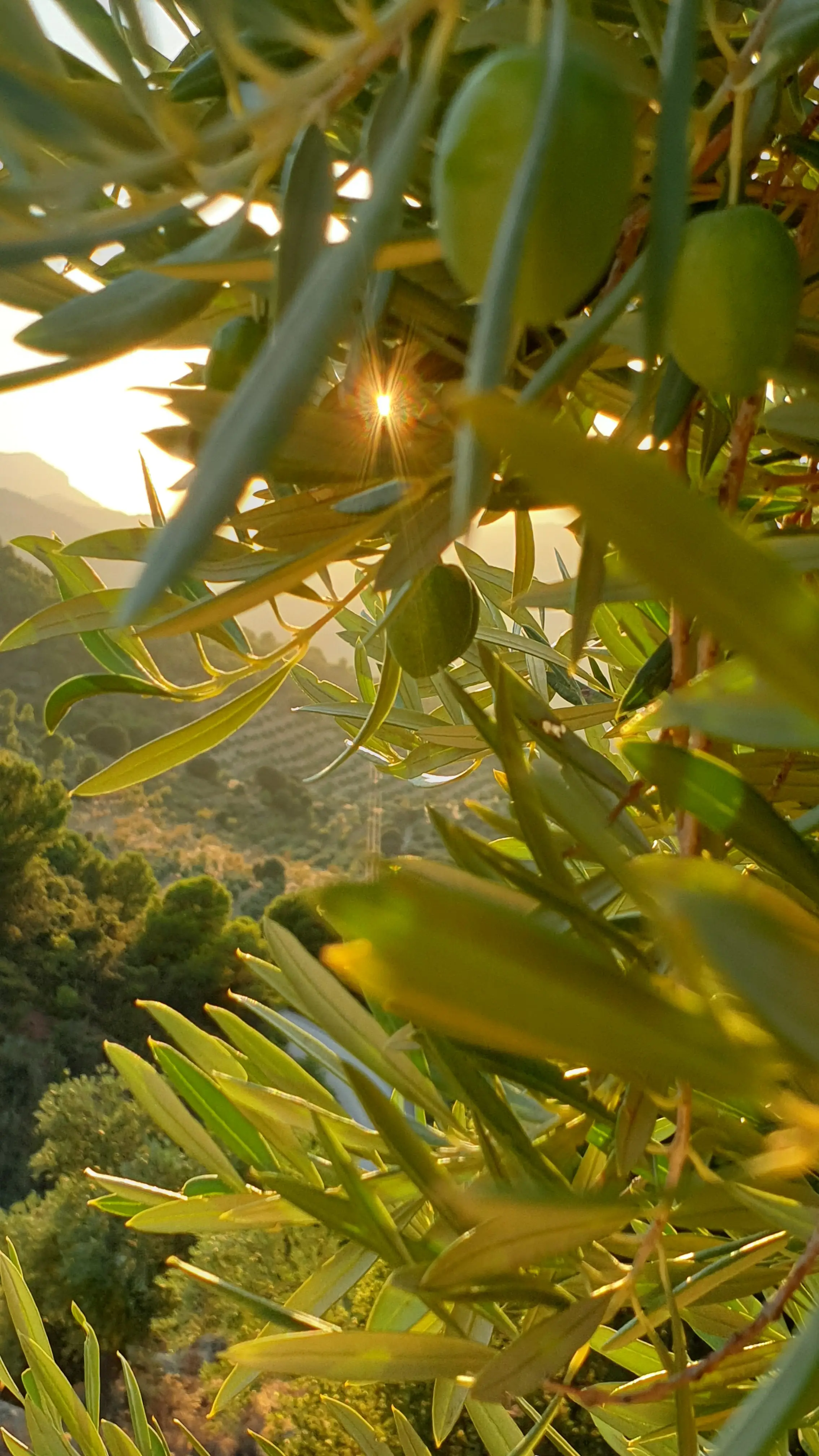
The moment of picking determines everything. PICORIA harvests in October, when the olives are still green: this is the instant their polyphenol concentration reaches its peak. Such earliness comes at a price — a lower yield, since a green olive gives less oil than a ripe one — but it is the choice of excellence over volume. Every drop then concentrates the full antioxidant power of the fruit.
Terroir and altitude
Altitude + Mediterranean climate + dry farming = maximum concentration. PICORIA: 1200-1500 m of altitude in the Sierra Mágina.
The extraction process
Cold extraction (<27°C) + fast pressing (<4h after harvest). PICORIA cold-presses in less than 4 hours after hand-picking.
How to recognise an oil rich in polyphenols?
On the nose
Fresh, intense aromas: cut grass, tomato, artichoke, green fruit.
On the palate
Bitterness and pungency are your allies. That tingling at the back of the throat that makes you cough = that's oleocanthal! The more pungent the oil, the richer it is in polyphenols.
On the label
- The mention "early harvest" or "récolte précoce"
- Varieties: Picual, Koroneiki, Coratina, Moraiolo
- Dark bottles (protection from light)
- A recent harvest date (<18 months)
- Polyphenol content indicated (where available)
How to enjoy your polyphenol-rich oil?
Raw, ideally
To benefit fully from polyphenols:
- As a finish on hot dishes after cooking
- As a seasoning: salads, raw vegetables, grilled vegetables
- By the spoon: one tablespoon in the morning, on an empty stomach
- On fresh bread
How much?
20 g per day (≈ 2 tablespoons) = the optimal dose according to studies.
Optimal storage
- Away from light (opaque bottle)
- Away from heat
- Close the cap tightly
- Consume within 12-18 months of opening