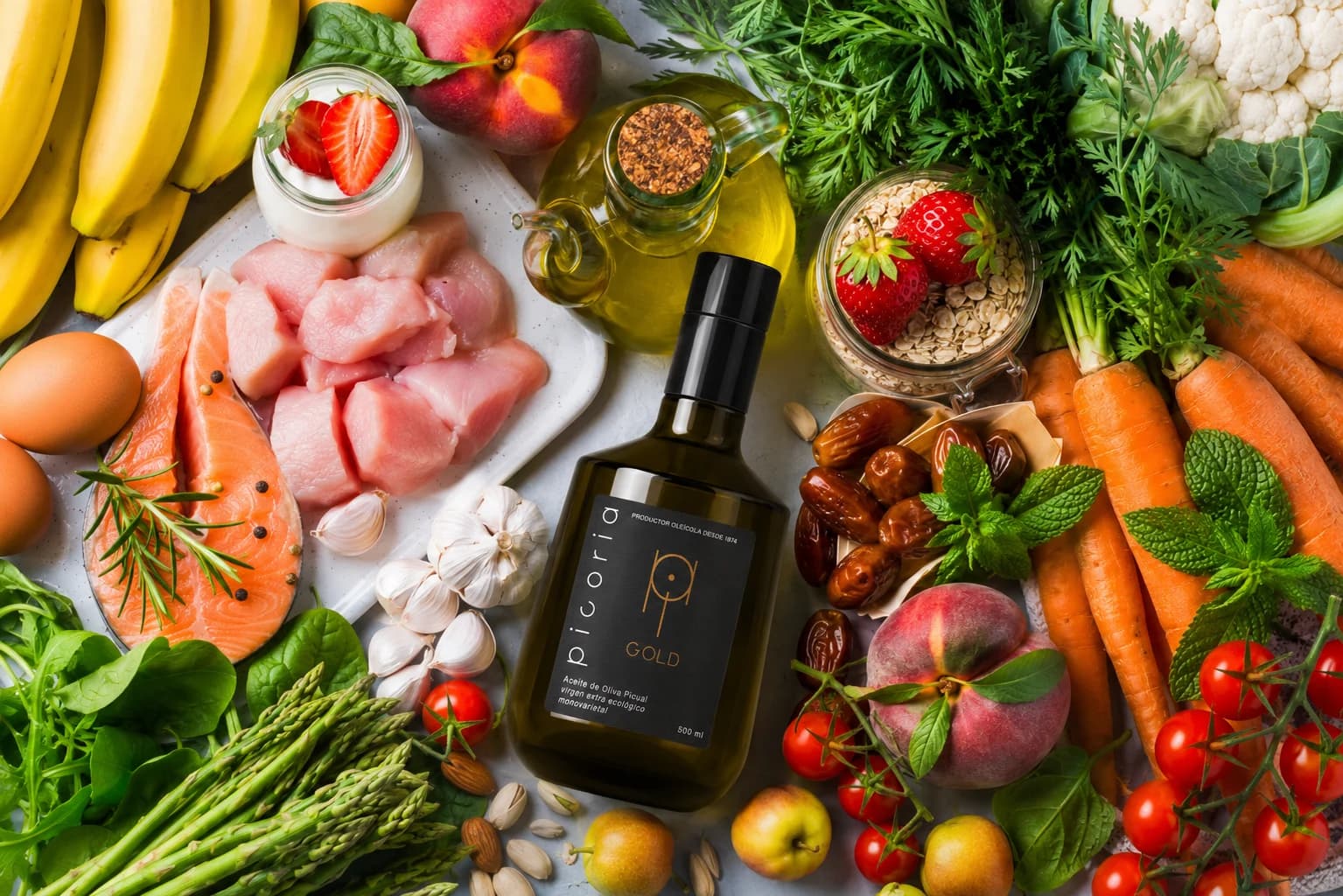
There are few subjects on which medical research agrees so broadly. From the Mediterranean basin to the great American universities, six decades of studies have made this diet the most documented — and most frequently recommended — dietary model in the world. At its heart, one constant: extra virgin olive oil.
An intuition become certainty
It all begins in the 1950s. The physiologist Ancel Keys observes that the populations of southern Europe, though of modest means, live longer and suffer less from heart disease. His Seven Countries Study, conducted on twelve thousand men over twenty-five years, establishes the first scientific link between Mediterranean eating and low cardiovascular mortality.
Half a century later, the Spanish PREDIMED trial, published in the New England Journal of Medicine, confirms this intuition with the rigour of a clinical trial: among seven thousand five hundred participants followed for five years, a Mediterranean diet enriched with extra virgin olive oil reduces the risk of a major cardiovascular event by around thirty percent.
What the major studies say
The work that followed only sharpened this observation. The Spanish SUN cohort, covering more than twenty thousand participants, links the adoption of this diet to a marked drop in the risk of type 2 diabetes. A vast meta-analysis published in the British Medical Journal connects greater Mediterranean adherence to a reduction in all-cause mortality. And when the writer Dan Buettner maps the Blue Zones, those rare regions of the world with the most centenarians, quality olive oil recurs as a common denominator, from Sardinia to Ikaria.
Olive oil, the cornerstone of the model
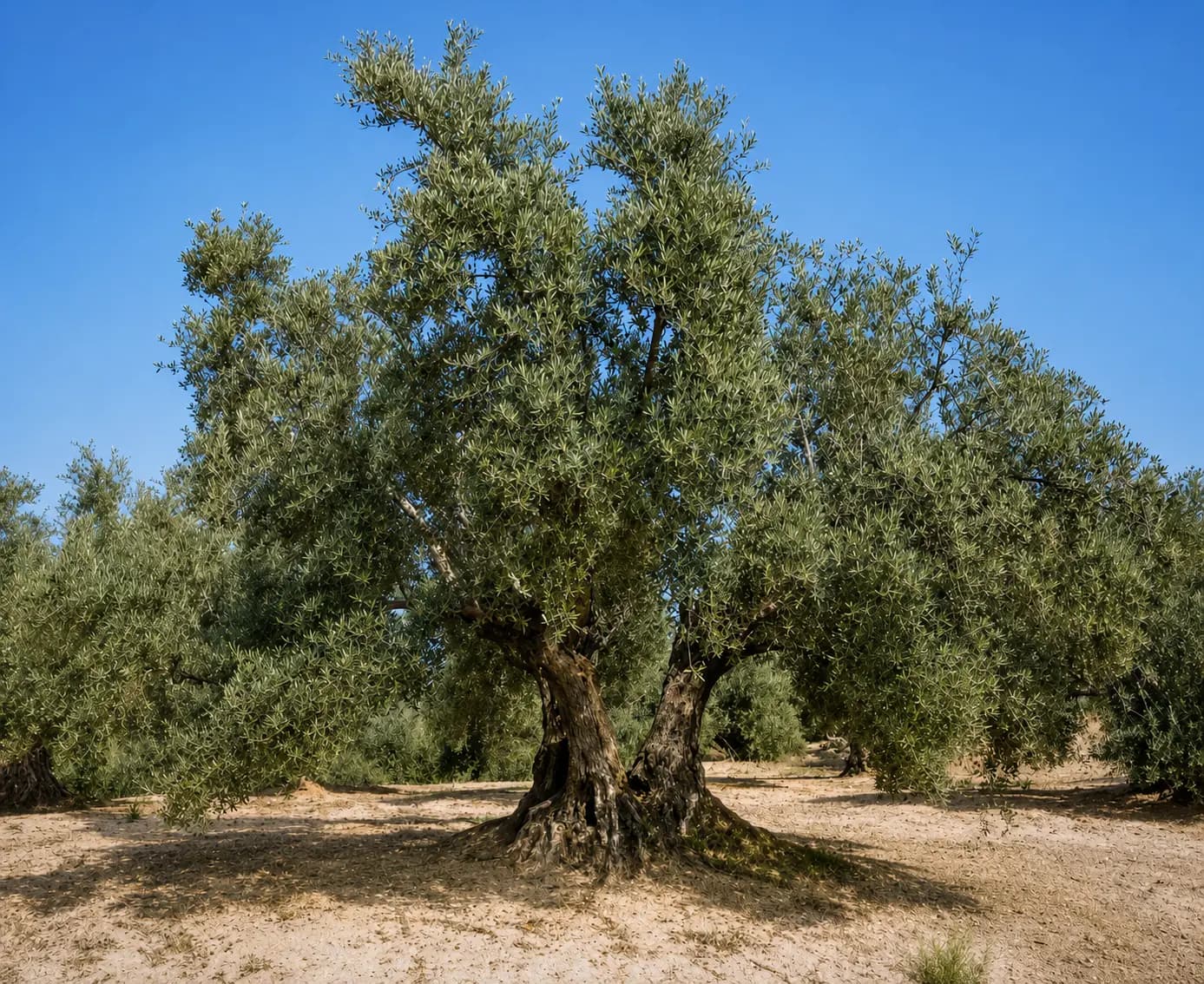
If olive oil holds this central place, it is no accident. Extra virgin, it provides favourable fatty acids and a wealth of polyphenols that other fats do not possess. Yet it must be exceptional: variety, early harvest and cold extraction determine everything. This is precisely what PICORIA cultivates, with a 100% Picual from the Sierra Mágina, hand-picked and cold-pressed.
A way of life validated by science
Recognition today reaches beyond the scientific sphere. In 2010, UNESCO inscribed the Mediterranean diet on the Intangible Cultural Heritage of Humanity; the World Health Organization and the American Heart Association now include it in their official guidelines. Rarely has a way of life been so thoroughly confirmed by research.
Every PICORIA bottle carries this legacy: that of an ancestral tradition, today validated by science, and set drop by drop on your table.